Advantages of Pulsation Dampeners in Oilfield Applications
In oilfield operations, maintaining stable pressure and flow is critical for safety, efficiency, and equipment longevity. Reciprocating pumps—such as plunger, diaphragm, and metering pumps—are widely used in drilling, production, and chemical injection systems. However, these pumps inherently produce pressure pulsations that can lead to vibration, noise, and premature wear. Pulsation dampeners are the solution.
What Are Pulsation Dampeners?
A pulsation dampener is a pressure-absorbing device installed on the suction or discharge side of a pump. It acts like a shock absorber, using a gas-charged bladder, diaphragm, or piston to smooth out pressure fluctuations. By absorbing energy during pressure spikes and releasing it during low-pressure phases, dampeners create a more consistent flow downstream.
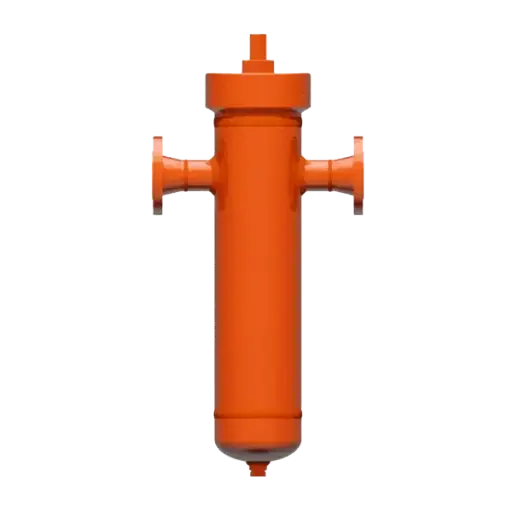
Key Advantages in Oilfield Applications
1. Protects Equipment and Piping
Pressure pulsations cause cyclic fatigue in piping, valves, and sensors. Dampeners reduce these stresses, extending the life of pumps, seals, and instrumentation. Systems using properly sized dampeners report up to 40% fewer vibration-induced failures.
2. Improves Chemical Injection Accuracy
In chemical dosing skids, pulsations can lead to inconsistent injection rates. Dampeners stabilize flow, ensuring precise delivery of corrosion inhibitors, scale inhibitors, and biocides—critical for well integrity and production efficiency.
3. Reduces Noise and Vibration
High-pressure reciprocating pumps generate significant vibration and noise. Dampeners absorb these pulses, creating a quieter and safer work environment while minimizing structural stress on skids and pipelines.
4. Prevents Water Hammer
Sudden pressure spikes can cause water hammer, damaging valves and pipe joints. Pulsation dampeners act as a buffer, mitigating these shocks and maintaining pipeline integrity.
5. Enhances Measurement Accuracy
Flow meters and pressure gauges struggle with pulsating flow, leading to inaccurate readings. Dampeners smooth the flow profile, improving process control and reducing costly errors in metering systems.
6. Compliance and Safety
Many oilfield operations must meet ASME and API standards for pressure control. Pulsation dampeners help achieve these requirements by stabilizing system pressure and reducing surge risks.
Common Oilfield Applications
Chemical Injection Skids: For corrosion and scale inhibitor dosing.
High-Pressure Fracturing: Protects piping during pressure spikes.
Metering Pump Installations: Improves flow meter accuracy at well injection points.
Best Practices for Selection and Installation
Size Correctly: Match dampener volume to pump displacement and stroke frequency.
Precharge Properly: Use nitrogen at 60–80% of operating pressure for optimal performance.
Material Compatibility: Choose diaphragms and seals resistant to H₂S, solvents, and abrasive fluids.
Install Close to Pump Discharge: Minimize intervening valves and piping for maximum effectiveness.
Bottom Line: Pulsation dampeners are not optional in oilfield systems—they are essential for reliability, safety, and cost efficiency. By reducing pulsations, they protect equipment, improve process control, and help operators meet stringent industry standards.