Why Your Positive Displacement Pump System Needs a Pulsation Dampener
Positive displacement (PD) pumps are widely used in industries like chemical processing, oil & gas, and water treatment because they deliver consistent flow regardless of pressure variations. However, one common challenge with PD pumps is pulsation—a cyclical pressure fluctuation caused by the pump’s reciprocating or rotary action. Left unchecked, pulsation can lead to system inefficiencies, equipment damage, and even safety hazards.
What Causes Pulsation in PD Pumps?
Nature of Operation: PD pumps move fluid in discrete volumes, creating pressure spikes with each stroke or rotation.
System Design Factors: Long piping runs, high viscosity fluids, and varying discharge pressures amplify pulsation effects.
Why Pulsation is a Problem
Pipe Stress & Fatigue: Repeated pressure surges can weaken piping and joints over time.
Measurement Errors: Flow meters and sensors may give inaccurate readings due to fluctuating flow.
Noise & Vibration: Pulsation increases operational noise and vibration, impacting workplace safety and comfort.
Seal & Bearing Wear: Mechanical components experience uneven loads, reducing lifespan.
The Role of a Pulsation Dampener
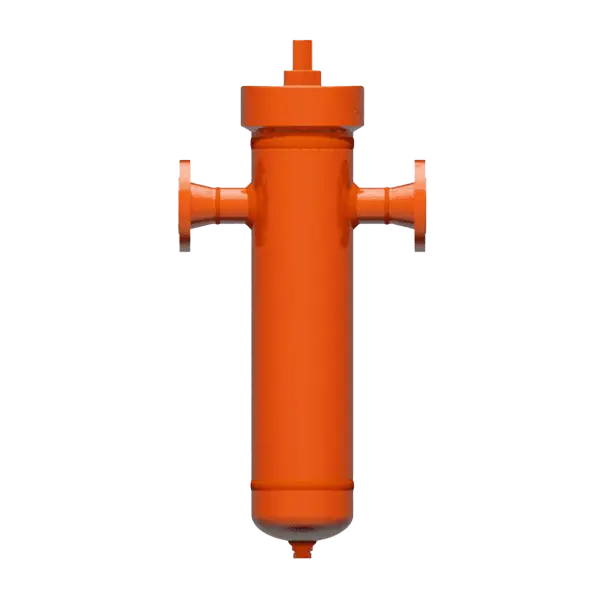
A pulsation dampener acts like a shock absorber for your pump system. It uses a gas-charged bladder or diaphragm to absorb pressure spikes and smooth out flow.
Key Benefits:
Protects Equipment: Reduces stress on pipes, valves, and instruments.
Improves Accuracy: Stabilizes flow for precise dosing and measurement.
Enhances Safety: Minimizes vibration and noise.
Extends Pump Life: Reduces wear on seals and bearings.
How to Choose the Right Dampener
Size & Volume: Match dampener capacity to pump displacement.
Material Compatibility: Ensure wetted parts suit your fluid type.
Pressure Rating: Select a dampener rated for your system’s operating pressure.
Maintenance Needs: Consider ease of bladder replacement and charging.
Conclusion
Installing a pulsation dampener isn’t just an optional upgrade—it’s a critical component for reliability, efficiency, and safety in any positive displacement pump system. By mitigating pulsation, you protect your investment and ensure smooth, trouble-free operation.